

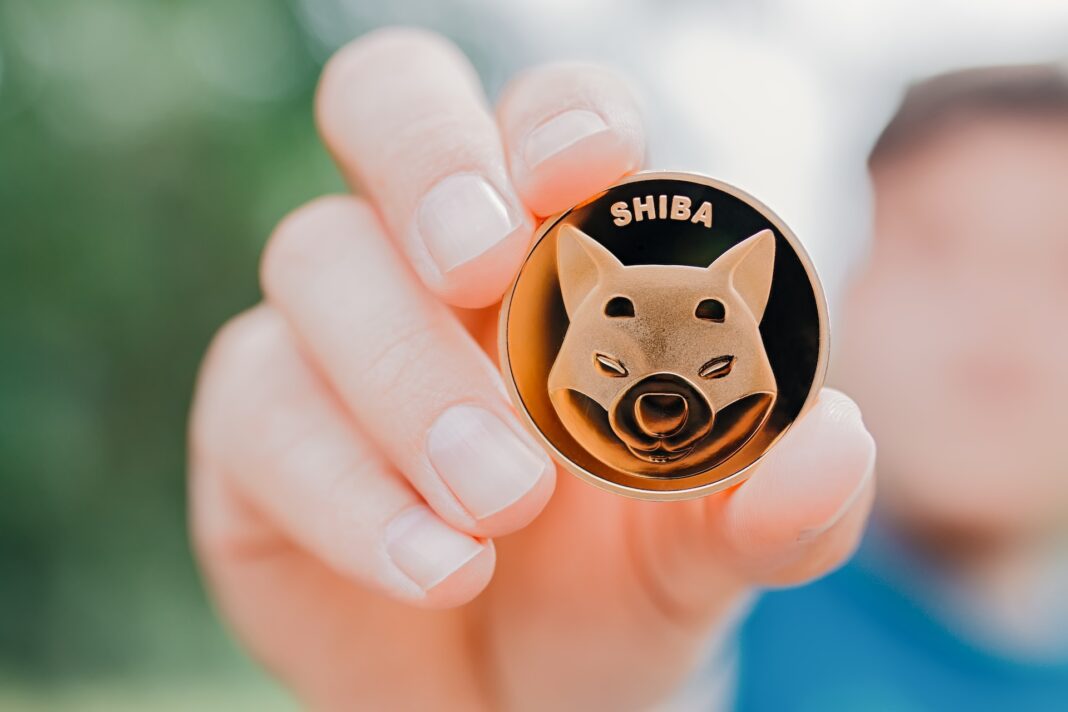
Shiba Inu started as a joke during the meme coin boom, but within a few years it transformed into one of the most traded digital tokens on the market. This volatility and strong community attract investors hoping for quick gains. However, just as important as buying is the second phase of investing – the Shiba Inu sale. And this is often underestimated in practice.
While buying SHIB is often impulsive, selling requires strategy, discipline and an understanding of market dynamics. Without these, even a well-timed entry can turn into a missed opportunity.
How the Shiba Inu sale works and what happens behind the scenes
At first glance, the process seems simple: an investor transfers tokens to an exchange, places a sell order, and then withdraws the funds. In reality, several layers come into play that significantly affect the final price.
When you place a sell order, you enter the order book – a system where supply meets demand. If you choose an instant sale at market price, the trade executes against current buy orders. In moments of lower liquidity, slippage can occur, meaning the sale is executed at a worse price than expected.
That’s why larger investors often use limit orders, allowing them to define the price at which they are willing to sell. The downside is that the trade may not execute at all if the market does not reach that level.
Platforms like Kraken or MEXC offer advanced tools that enable more precise order management and better risk control.
Read also: Will Shiba Inu Reach 1 Cent? Real Data
Liquidity as a key factor
One of the most overlooked aspects affecting a Shiba Inu sale is market liquidity. While SHIB is a well-known cryptocurrency, its liquidity is not the same across all trading pairs.
Selling smaller amounts usually does not pose a problem. However, when an investor sells a larger volume of tokens, the sale itself can move the market. This means the price gradually decreases as parts of the order are executed.
For this reason, professional investors often split sales into multiple smaller parts or spread them over time to minimize price impact.
Timing: psychology vs. strategy
With assets like Shiba Inu, timing plays a crucial role. The price of SHIB is not primarily driven by fundamentals, but by sentiment – investor mood, viral trends, and community activity.
This creates typical cycles: first comes a hype phase with rapid growth, followed by stagnation and eventually correction. The problem is that most retail investors sell only when the hype is already fading.
From a strategic perspective, it is therefore effective to have a predefined exit plan. This can be based on specific price levels, percentage gains, or a combination of factors. The key is that the decision to sell is made in a calm phase, not under pressure.
Fees and hidden costs
The final amount an investor receives is not determined solely by the token price. Fees also play a significant role and accumulate across different steps.
Every Shiba Inu sale includes a trading fee charged by the exchange. On top of that, there may be a spread between the buy and sell price, as well as withdrawal fees. If the investor transfers SHIB via the Ethereum network, they must also consider transaction fees, which can vary significantly depending on network congestion.
In practice, the difference between theoretical and actual returns can reach several percent.
Security as a condition for a successful sale
Technical errors are among the most expensive mistakes in crypto. When transferring tokens, it is essential to carefully check both the address and the network. SHIB operates on the Ethereum network, so compatible infrastructure must be used.
It is also crucial to use two-factor authentication and trusted platforms. Once tokens are sent to the wrong address, there is no mechanism to reverse the transaction.
Read also: Shiba Inu vs. Dogecoin: Which Meme Cryptocurrency Has a Bigger Future?
Taxes and regulation: often overlooked
A Shiba Inu sale also has legal implications. In the Czech Republic, profits from cryptocurrencies are taxed as income, regardless of how long the investor held the asset.
This means that every sale should be recorded, including the purchase price and transaction date. In an environment of frequent trading, poor record-keeping can lead to incorrect tax calculations.
Why investors sell SHIB
The motivation to sell changes over time. During periods of growth, it is mainly about realizing profits. During downturns, it is about protecting capital.
Some investors also use a Shiba Inu sale to move funds into other projects they perceive as more promising.
A specific factor is the nature of SHIB itself. Unlike technologically driven cryptocurrencies, its value is primarily based on its community. This means price movements can be more volatile and less predictable.
Selling as the decisive moment of the investment
In the crypto world, it is often said that profit is not made when buying, but when selling. The Shiba Inu sale is exactly the moment when theoretical gains turn into real money.
A successful investor therefore does not focus only on when to enter the market, but mainly on how to exit it. The combination of proper timing, liquidity management, and risk control often matters more than the choice of cryptocurrency itself.
In an environment where emotions often outweigh rational thinking, discipline during selling is what separates profitable investors from those who let opportunities slip away.
Sources:
https://www.kraken.com/cs/learn/sell-shiba-inu-shib
https://www.anycoin.cz/blog/how-to-buy-shiba-inu
https://www.bitstore.net/cs/kryptomeny/shiba-inu-shib-ceny/
https://blog.mexc.com/cs/what-is-shib-shiba-inu/
https://kryptomagazin.cz/predcasny-prodej-shiba-inu-pripravil-obchodnika-o-miliony/