


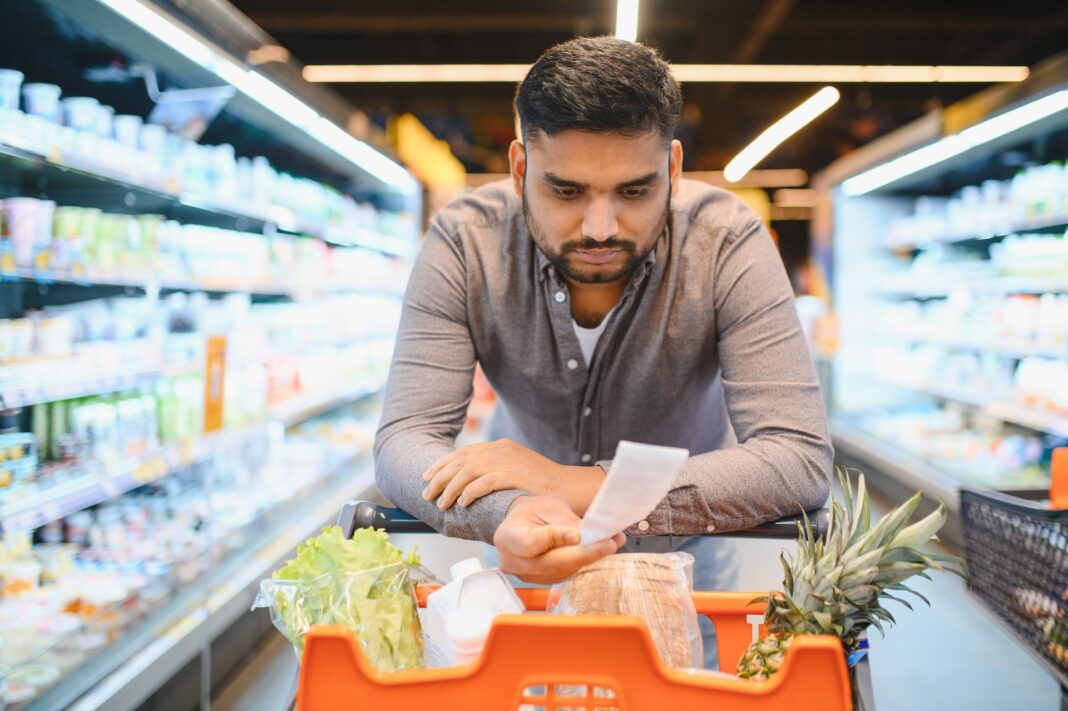
Food is one of those expenses that quietly drains a budget. One quick stop at the store, an unplanned lunch out, a few “great deals,” and by the end of the month the difference can easily reach hundreds of dollars. What are smart ways to save money on groceries? The answer is not starving yourself or buying the cheapest food available. In most cases, it comes down to planning, reducing impulse purchases, and making better use of what you already have at home.
Groceries are among the biggest household expenses. In many countries, food spending represents a significant part of monthly budgets alongside housing and utilities. That is exactly why it makes sense to approach grocery shopping the same way people approach other personal finance decisions. The goal is not to obsess over every cent, but to understand where money unnecessarily disappears.
The biggest savings often do not come from buying the cheapest pasta on the shelf. They come from avoiding purchases you do not need, food you never eat, or ingredients that eventually end up in the trash.
Start With What You Already Have
One of the easiest ways to save money requires almost no sacrifice at all. Before every major grocery trip, check your fridge, freezer, and pantry first. Many households repeatedly buy products they already own simply because those items are hidden in the back of a cabinet or forgotten in the freezer.
Doing a quick inventory once a week can make a noticeable difference. You will see which foods are close to expiring, what needs to be used soon, and which ingredients can become several future meals. Only after that does it make sense to create a shopping list.
This simple habit significantly reduces unnecessary stockpiling that later turns into expired yogurt, wilted vegetables, or forgotten meat.
Read also: Portfolio Diversification: How to Reduce Risk
Meal Planning Is a Financial Tool, Not Just a Diet Trend
Meal planning often sounds like something reserved for fitness apps and strict diets. In reality, it is one of the most effective answers to the question: what are smart ways to save money on groceries?
People who know what they will cook over the next few days tend to shop more accurately and are less vulnerable to tempting promotions or impulse purchases.
The plan does not need to be overly strict. It is enough to think ahead about five to seven meals that can be combined in different ways. For example, one roasted chicken can become dinner with rice, tortilla filling the next day, and soup afterward.
Affordable staples such as beans, potatoes, eggs, pasta, rice, or lentils can serve as the base for multiple meals without making the menu feel repetitive.
A Shopping List Matters More Than Discounts
Sales can help, but only when you buy products you actually plan to use. One of the biggest traps is the classic “buy two, get one free” promotion on food that you neither need nor realistically consume before it expires.
That kind of discount does not save money. It simply transfers the problem into your refrigerator.
A shopping list should be based on your meal plan and current pantry situation, not emotions inside the supermarket. The more closely you stick to the list, the more likely you are to avoid unnecessary spending.
Bulk discounts usually make sense for shelf-stable foods such as rice, pasta, canned goods, flour, or legumes. Fresh foods require more caution.
Read also: Growth Stocks With High Potential: Where to Find Them and How to Understand the Risks in 2026
Never Shop Hungry
It sounds obvious, but hungry people shop differently. They are more likely to buy ready-made meals, snacks, sweets, and expensive convenience products they would normally ignore.
The result is a higher grocery bill and often a less balanced diet.
One of the smartest ways to save money on groceries is therefore shopping when you are calm, not stressed, rushed, or hungry. The fewer emotions involved, the more rational the decisions tend to be.
Cook From Basic Ingredients Instead of Convenience Foods
Prepared meals, instant products, pre-cut fruit, packaged salads, and ready-made mixes save time, but they rarely save money. In many cases, customers mainly pay for convenience.
Cooking from basic ingredients is usually more budget-friendly. That does not mean spending hours in the kitchen every evening. A practical strategy is cooking larger portions and saving part of the meal for another day.
Soups, pasta sauces, curries, rice dishes, roasted vegetables, and bean-based meals can all be prepared in bulk. Freezing extra portions creates your own affordable version of ready-made meals and reduces the temptation to order takeout.
Meat Does Not Have to Be on the Plate Every Day
Meat is often one of the most expensive parts of a grocery basket. Reducing meat consumption is therefore not only a health or environmental decision, but also a financial one.
That does not mean becoming vegetarian. Even replacing meat a few times a week with eggs, beans, lentils, tofu, cheese, or cottage cheese can noticeably lower food expenses.
Legumes such as lentils, chickpeas, peas, or beans are inexpensive, filling, nutritious, and versatile. When meat becomes more of an addition than the automatic center of every meal, budgets usually improve quickly.
Compare Price Per Pound or Kilogram, Not Per Package
Retailers know most shoppers focus mainly on the final package price. Smaller packaging often appears cheaper, but the cost per pound, kilogram, or liter may actually be significantly higher.
This matters especially for products like cheese, deli meats, yogurt, cereals, pasta, coffee, or household goods.
Large packages are only worth buying if you genuinely consume them before they expire. Otherwise, any savings disappear.
Store Brands Are Not Automatically Worse
Many supermarket private labels are considerably cheaper than famous brands while offering very similar quality. This is especially true for basic products such as dairy, rice, pasta, canned food, frozen vegetables, or flour.
The best approach is comparing ingredient lists rather than packaging.
If a cheaper product contains nearly identical ingredients to the premium alternative, there may be little reason to pay extra purely for branding and marketing.
Food Waste Is the Real Budget Killer
Saving money on groceries is not only about spending less. It is also about throwing away less.
Every wasted meal represents wasted money. Better food storage, labeling freezer containers, rotating older products to the front, and regularly cooking from leftovers can all reduce unnecessary waste.
Roasted vegetables can become soup the next day. Leftover rice can turn into fried rice. Stale bread can become croutons or bread pudding.
Small habits like these create noticeable savings over time.
Treat Eating Out as a Budget Category, Not a Routine
Restaurants and takeout are convenient, but monthly spending on dining out often grows faster than people realize.
The goal does not need to be eliminating restaurants completely. A more realistic solution is setting a limit for how many times per week or month you eat out and preparing the remaining meals at home.
Even bringing lunch from home two or three times a week can produce meaningful savings.
Meals such as pasta salads, rice bowls, soups, wraps, curries, or roasted vegetables are easy to prepare in advance and simple to reheat.
Frozen and Seasonal Foods Can Be Smarter Choices
Fresh food feels like the best option, but it is not always the most practical or economical.
Frozen fruits and vegetables are available year-round, last much longer, and reduce the risk of spoilage. Seasonal produce is also often cheaper and tastes better during peak harvest periods.
Combining fresh, frozen, and shelf-stable foods is usually the most efficient strategy.
What Are Smart Ways to Save Money on Groceries? Mostly Consistency
A single cheap shopping trip will not transform a budget overnight. The real difference comes from repeating small habits consistently.
Meal planning, shopping with a list, reducing food waste, cooking from basic ingredients, and using discounts wisely can free up a meaningful amount of money every month.
What are smart ways to save money on groceries? In the end, they are not about giving up good food. Often, they lead to more thoughtful shopping, more varied cooking, and better use of ingredients already sitting at home.