

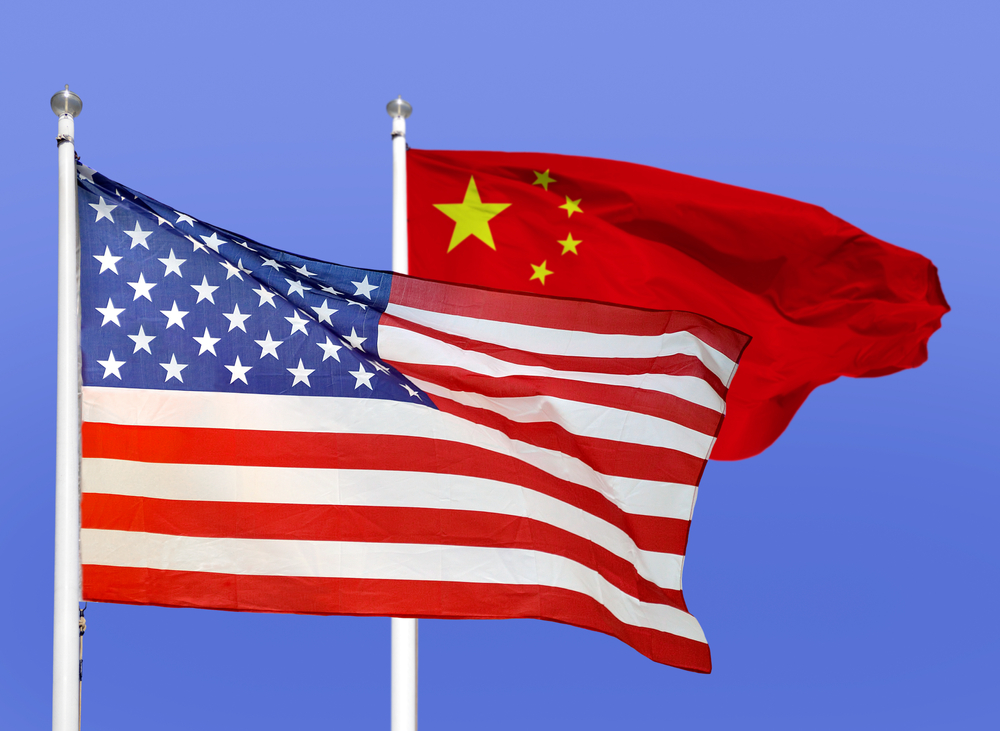
Sino-US tensions could weaken the global economy by two percent of gross domestic product (GDP), the International Monetary Fund (IMF) said in a report on Wednesday. Recalling a series of recent laws passed against the backdrop of rising tensions in relations between Washington and Beijing, it warned that emerging markets would be the main ones affected, according to its analysis.
How to make supply chains more resilient?
Companies and policymakers around the world are exploring ways to make their supply chains more resilient by “moving production home or to trusted countries”, the IMF warns, adding that this will lead to fragmentation of foreign direct investment. The IMF pointed to recent laws passed against the backdrop of rising tensions between the US and China, such as the US Chip and Science Act. Japan recently imposed its own restrictions on 23 types of semiconductor manufacturing equipment, joining US efforts to limit China’s ability to produce advanced chips.
China among top investment priorities
A recent survey conducted by the U.S. Chamber of Commerce in China showed a shift of foreign direct investment out of China. Less than half of its respondents ranked China as a top three investment priority, the first time that has happened in 25 years, CNBC reported.
IMF economists said the money is now flowing to countries that are considered “geopolitically close”. The rise of “friend-shoring” could hurt less developed markets the most, the organisation said.
“Emerging markets and developing economies are particularly affected by reduced access to investment from advanced economies due to reduced capital formation and productivity gains from the transfer of improved technology and know-how,” IMF economists wrote in the report. Developing economies are more vulnerable to this shift in FDI, they said, because they “rely more heavily on flows from geopolitically more distant countries.”
Meanwhile, tensions between China and the United States are escalating. Following Wednesday’s meeting between US House of Representatives Speaker Kevin McCarthy and Taiwanese President Tsai Jing-wen in California, Beijing warned of consequences and pledged to take “decisive action” in response to the “provocation”.
Source: ČTK