


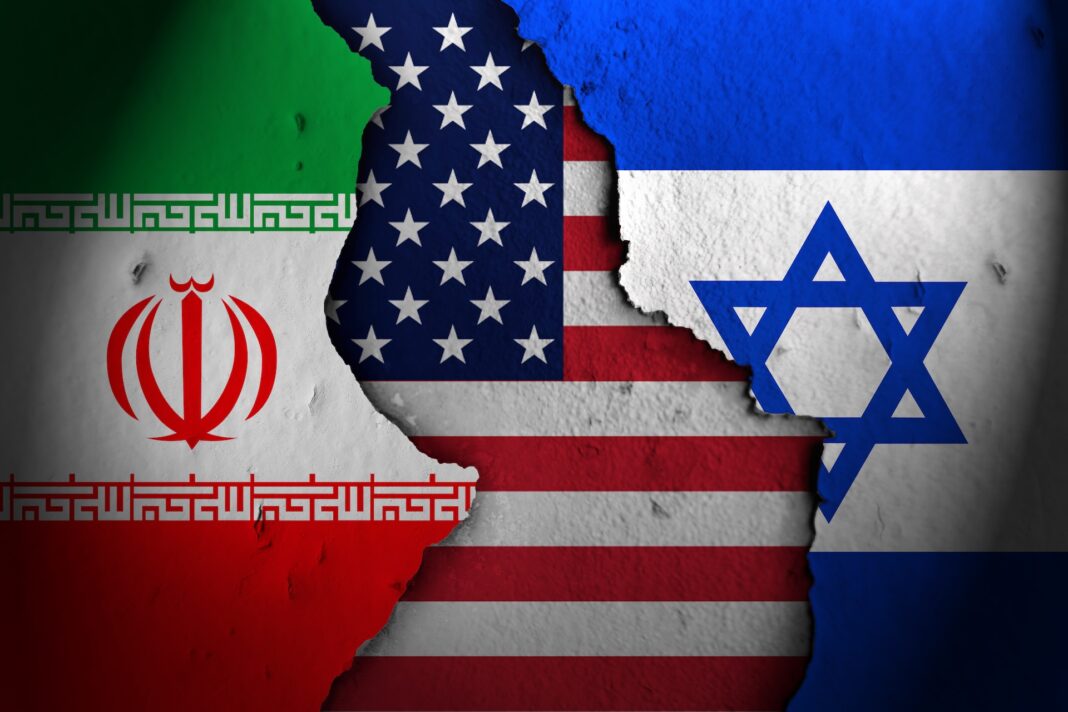
The escalation of tensions between the United States, Israel and Iran moved within hours from geopolitical headlines directly into global market charts. Financial markets reacted exactly as expected in times of crisis: oil prices climbed, equities fluctuated and investors shifted capital toward safer assets.
This is not merely a political gesture or a short-lived media effect. The Middle East remains a critical hub of global energy supply — and energy is the main channel through which conflict spills over into the world economy.
Oil as a Barometer of Tension
At the center of attention is the Strait of Hormuz, a strategic chokepoint through which a significant share of global oil and liquefied natural gas flows. As concerns emerged about potential supply disruptions, oil prices jumped sharply. Brent crude gained roughly ten percent within days, approaching the $80 per barrel mark. Analysts warn that further escalation could push prices toward $100.
Higher oil prices create a chain reaction. They raise corporate costs, drive fuel prices higher and can reignite inflationary pressures. This is particularly sensitive at a time when central banks are debating the pace of interest rate cuts. A renewed surge in energy prices could slow the easing of monetary policy.
Read also: AI-related stocks dragged US stock indices down
Stocks Under Pressure as Markets Shift to “Risk-Off”
Equity markets reacted swiftly. European and U.S. indices came under pressure, especially sectors sensitive to energy costs and the economic cycle. Airlines, travel companies and some industrial firms reliant on stable energy supplies recorded weaker performance.
Energy producers and defense companies, by contrast, emerged as relative winners. Higher commodity prices improve their revenue outlook, and investors often view them as more resilient during periods of uncertainty.
A defining feature of the current situation is elevated volatility. While indices have recovered part of their losses on certain days, trading remains nervous. Markets are still assessing whether this is a short-lived episode or the beginning of a prolonged geopolitical strain.
Flight to Safety: Gold and the Dollar Gain
As uncertainty rises, capital seeks safer ground. Gold once again confirms its role as a crisis asset, strengthening amid tensions. Demand has also increased for the U.S. dollar and government bonds, widely perceived as relatively stable.
This shift represents a classic “risk-off” environment — investors reduce exposure to risky assets and focus on capital preservation. It does not automatically signal a deep and lasting stock market decline, but it does reflect heightened caution.
Read also: Oil prices fall after April US unemployment report
What Will Be Decisive
Two factors will shape the next phase. The first is the duration and intensity of the conflict. If it remains localized and oil supplies are not severely disrupted, the market reaction could prove temporary. History shows that geopolitical shocks often cause sharp but relatively short-lived turbulence.
The second factor is the response of energy markets. A sustained increase in oil prices would have broader consequences, affecting inflation, corporate earnings and monetary policy.
For retail investors, the key lesson is to avoid emotional decisions. The current situation is a reminder that geopolitics remains one of the least predictable yet most significant risks for financial markets. Portfolio diversification and a long-term perspective matter more than reacting to every headline swing.