

A guide to digital asset security, from someone who learned by doing.
Author: Ali Daylami, Head of Data Analytics at BITmarkets
Article content:
In a market that never sleeps and where opportunities seem endless, crypto can feel like a world in constant motion. I spent a while watching the space grow from the sidelines. Eventually, I decided to give it a try.
I bought some Bitcoin through a trusted exchange, watched the numbers rise and fall, and felt like I was starting to get a good sense of how it all worked. But as I got more involved, I started asking deeper questions:
- Where is this crypto actually stored?
- What happens if I lose access to my account?
- And how do I truly own something that only exists on a screen?
Those questions led me to one of the most important and often overlooked parts of the crypto journey: security.
Don’t miss out: BITmarkets.com – Crypto Exchange Review
Custody: Who Holds the Keys?
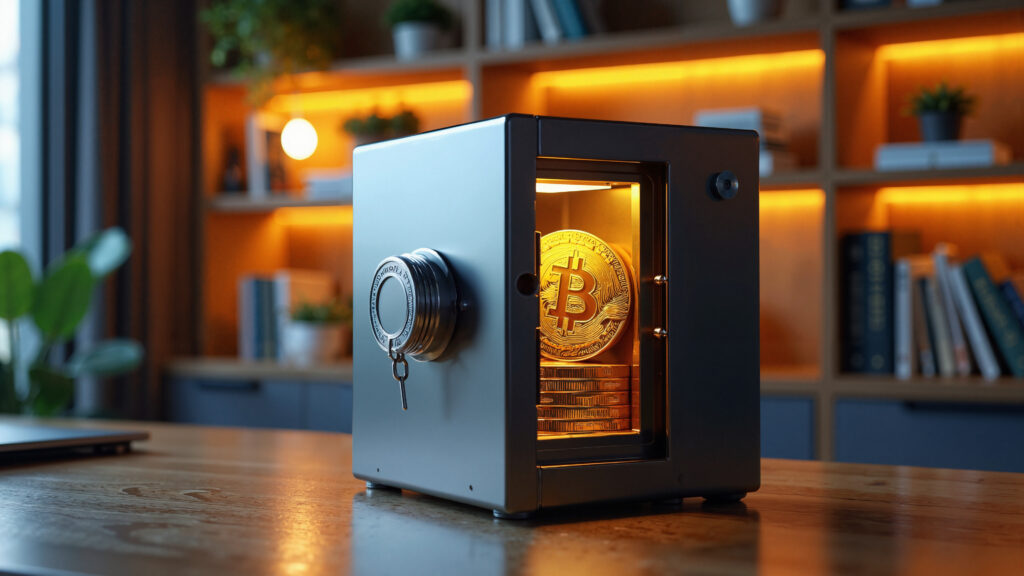
When you buy crypto on a platform, your assets are usually stored in a custodial wallet. The platform manages your private keys. That setup is perfect for most beginners—it’s how I started too.
Some platforms, like BITmarkets, go further by storing 99% of client assets in cold storage, offering stronger protection against online threats.
Later, I got curious about how crypto ownership works behind the scenes. I explored managing my own keys—not because anything went wrong, but because I wanted to understand the technology better.
Taking full control of your keys also means taking full responsibility. For many, using a secure platform is the smarter, less stressful choice. What matters is knowing your options.
Wallets: Hot and Cold
If you ever decide to manage your crypto yourself, you’ll need a crypto wallet. It stores your private keys and allows you to access and control your funds on the blockchain.
There are two main types:
- Hot wallets are connected to the internet, usually in the form of apps. They’re easy to use and good for small amounts.
- Cold wallets are physical devices that store your keys offline. They’re safer for larger, long-term holdings.
I tested both. I started with a hot wallet to get familiar with the process, then moved some crypto into a cold wallet to see how it worked. Still, I continue to use an exchange for most of my portfolio—it takes care of the technical side and gives me one less thing to worry about.
You may be interested in: Introduction to the Zaplo instalment plan
The Seed Phrase: Your Backup Plan
If you use a non-custodial wallet, you’ll be given a seed phrase (also called a recovery phrase). This is a randomly generated list of 12 or 24 words that serves as the backup to your wallet.
If your phone is lost or your wallet is damaged, this phrase can restore your access. Without it, your crypto is permanently lost.
This doesn’t apply when using a platform like BITmarkets, which handles account access and recovery for you. But if you explore self-custody, it’s important to understand the basics.
Here’s what I did: I wrote the phrase on paper, stored a copy separately, and never saved it digitally. Some people even use fireproof materials for extra safety. It may sound extreme, but the seed phrase is your only way to recover your crypto if it’s ever lost.
Most Mistakes Are Human
Crypto is secure by design. The biggest risks usually come from people: scams, phishing, or simple mistakes.
I’ve received emails that looked like they came from real support teams. Even if you’re cautious, it’s easy to be caught off guard. That’s why I stick to a few simple habits: I enable two-factor authentication, bookmark official websites, and never share sensitive information online.
BITmarkets helps reduce that burden by offering strong account protections like two-factor authentication, clear communication, and reliable customer support. Sometimes, choosing the right platform is the best security decision you can make.
Start Small and Build Confidence
You don’t need to understand everything on day one. I started small, learned how wallets work, and gradually built up confidence. Even if you stick with a trusted exchange, knowing how crypto storage and access work helps you make smarter decisions.
Read more: InvestingFox: Broker Review
Quick Security Checklist
- Know the difference between custodial and self-custodial wallets
- Try a wallet with a small amount to learn how it works
- Store your seed phrase securely, offline
- Enable two-factor authentication
- Be cautious with links, emails, and unknown messages
- Start small and keep learning