
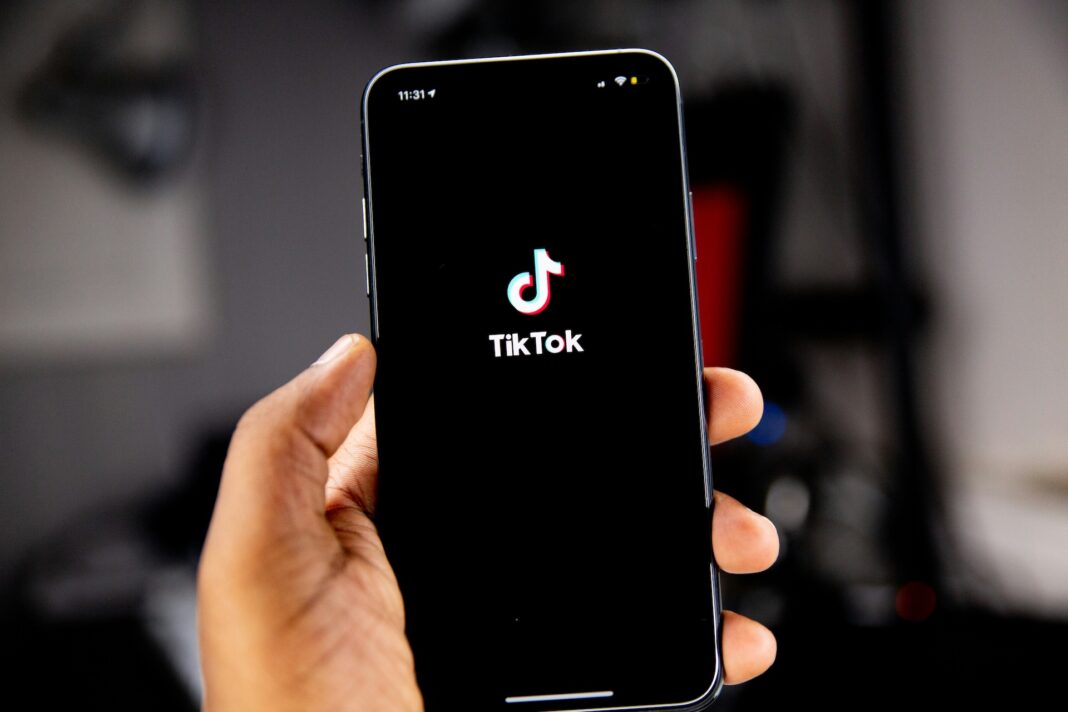
TikTok narrowly avoided a ban in the United States at the last moment, but the price is high. The popular app is moving under the control of American investors, while its Chinese owner ByteDance retreats into the role of a minority player. This is not just a multibillion-dollar deal. It is a precedent that could change how global tech companies operate in an era of geopolitical tension.
The new structure is built on a joint venture that will take over TikTok’s U.S. operations. American entities will hold the majority: Oracle led by Larry Ellison, the investment group Silver Lake, and the MGX fund from the United Arab Emirates—each with a 15% stake. ByteDance will keep 19.9%, i.e., below the threshold that would imply control. Other investors include the family fund of Dell founder Michael Dell and the Revolution group, the former employer of current Vice President J. D. Vance.
The newly formed company will be led by longtime TikTok executive Adam Presser. Its board will also include TikTok’s global CEO Shou Chew and representatives of the investors. A key technical element of the agreement is that the content recommendation algorithm—the heart of the entire platform—will be hosted by Oracle.
Politics as Part of Business
The deal was brokered by President Donald Trump. It comes just before the ultimatum expired—either TikTok changes its ownership structure, or it will be banned in the United States. Trump has extended the deadline several times in the past via executive orders. This time, however, a permanent solution has emerged.
After the announcement, the president publicly thanked not only his administration but also Chinese President Xi Jinping. The symbolism is clear—TikTok has become a tool of diplomatic negotiation between the world’s two largest economies.
The company said the new venture will operate “under clearly defined security rules” meant to protect U.S. national security—from data protection and algorithm safeguards to content moderation and software audits. Concerns about potential influence by the Chinese state were the main argument behind the threat of a ban.
What This Means for Investors
From an investment perspective, this is a major signal: political risk is becoming a full-fledged part of the technology business. It is no longer just about regulation or fines, but about direct interventions in corporate ownership structures.
For Oracle, Silver Lake, and the other players, it is an entry ticket into one of the fastest-growing digital ecosystems. TikTok has tens of millions of users in the U.S. and an ever-greater influence on advertising, e-commerce, and the entertainment industry. For capital, it is an attractive asset that is also gaining political protection.
For ByteDance, it is a compromise: the company does not lose the U.S. market, but it loses control over it. The 19.9% stake is meant to reassure American authorities and the public alike—TikTok will no longer be a “Chinese app” in the full sense of the word.
A New Model for Global Platforms?
For ordinary users, nothing dramatic will likely change. The app remains the same, and the feed will keep serving videos based on interests. Under the surface, however, a change has taken place that may influence the entire tech sector.
A new model is emerging: a global platform that must “split” regionally to meet the political requirements of individual states. In other words, the digital world is starting to follow a logic similar to energy or the defense industry.