


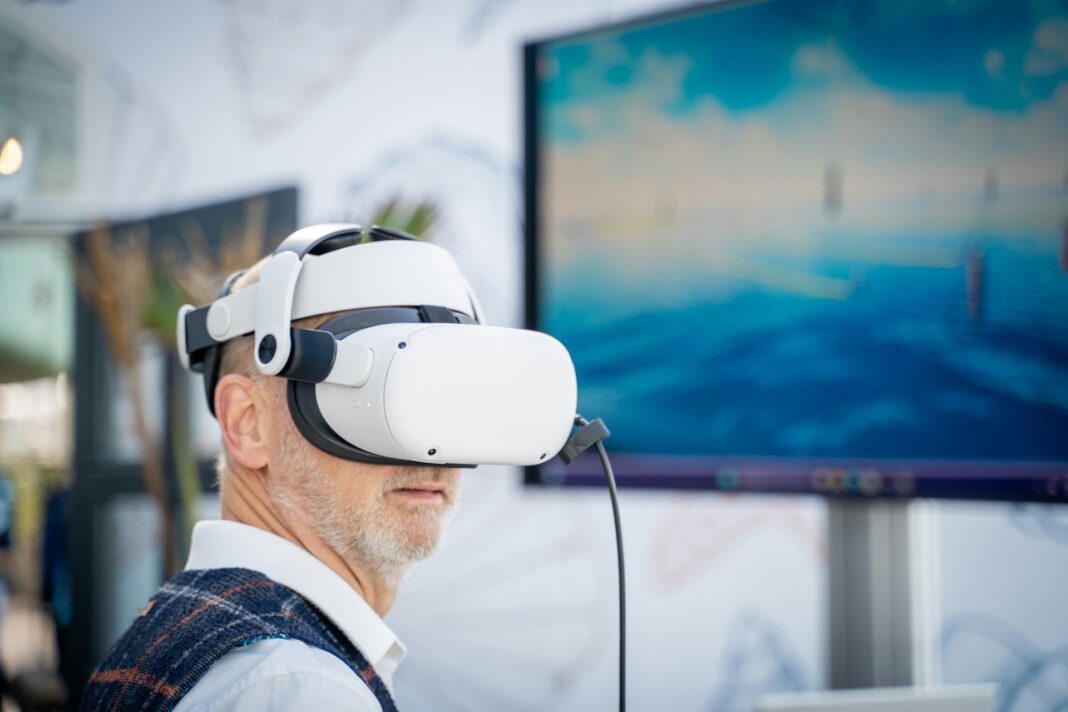
The metaverse was supposed to redefine the internet, work and social interaction. Instead, by February 2026, it has become a symbol of overinflated expectations. Since 2021, Meta invested approximately $90 billion into the project. Yet the vision failed to meet investor expectations. Weak demand, technological limitations and strong competition from established tools pushed one of the decade’s biggest tech experiments to the sidelines.
Mark Zuckerberg’s Big Bet
When Facebook rebranded to Meta in 2021, it signaled that the company’s future lay in the metaverse — interconnected virtual worlds where people would work, play and socialize through avatars.
Meta invested heavily in projects like Horizon Worlds and Horizon Workrooms. Horizon Workrooms, in particular, was meant to replace traditional office tools with virtual meeting rooms, 3D presentations and digital whiteboards.
Reality proved different. The platform failed to build a sufficient user base and is now heading toward closure. The broader metaverse initiative faces the same issue: low adoption and minimal return on massive investments.
Read also: EU investigates Apple, Google and Meta over internet regulation
Why the Metaverse Failed
VR headsets were meant to form the backbone of the metaverse. However, for many users they remained financially inaccessible. High prices created a barrier to mass adoption.
Technological Limitations
Virtual reality still faces practical constraints: motion sickness during prolonged use, limited battery life and bulky hardware. For everyday work, the solution proved impractical.
Competition That Already Works
The metaverse aimed to replace tools such as Microsoft Teams, Zoom and Slack. Yet these platforms are affordable, accessible and deeply integrated into corporate workflows. Companies had little incentive to switch to a more complex alternative.
The metaverse promised a revolution in digital communication, but users and businesses ultimately preferred simplicity and efficiency.
Gaming and Crypto Struggles
The gaming industry also attempted to capitalize on the metaverse trend. Companies like Square Enix and Ubisoft experimented with Web3 games and blockchain elements. However, crypto and NFT integrations alienated part of the traditional gaming audience, who viewed them as speculative and unnecessary.
Crypto-based metaverse projects such as Decentraland and The Sandbox experienced a similar trajectory. Once valued in the billions, these platforms now face sharp declines in users and digital asset values.
Their collapse highlighted the risks of investing in technology driven largely by speculative enthusiasm.
The Shift Toward Artificial Intelligence
As the metaverse loses momentum, the tech sector is redirecting attention to artificial intelligence. AI delivers measurable benefits across healthcare, finance and process automation.
Unlike the metaverse, AI addresses real-world problems with immediate applications. This practicality makes it a more compelling investment narrative today.
For investors, this capital shift sends a clear signal: markets currently favor technologies with clear business models and faster returns.
Read also: TOP 5 technologies that will change the world
Lessons for Investors and Tech Firms
The decline of the metaverse offers several key lessons.
Media hype cannot replace genuine demand. Even tens of billions in investment cannot compensate for a lack of real user need.
Ambition must align with technological reality. Expensive, technically imperfect and complex solutions face slow adoption.
Finally, flexibility matters. Tech companies — including Meta — are reallocating resources toward AI projects. The ability to pivot quickly may determine long-term success.
Is the Metaverse Truly Dead?
The current version of the metaverse appears unsustainable. That does not necessarily mean digital worlds will disappear forever. Advances in VR and augmented reality could open new opportunities in the future.
For now, however, the metaverse stands as an example of speculative hype outpacing technological and market readiness.
For investors, it is a valuable reminder: blind faith in “the technology of the future” can be costly. Successful investing relies not on grand visions, but on real demand, functional products and sustainable business models.
Sources:
https://www.geeky-gadgets.com/metaverse-is-officially-dead-in-2026/?utm_source=chatgpt.com
https://seekingalpha.com/article/4850419-meta-metaverse-rollback-why-investors-are-buying-pivot?utm_source=chatgpt.com