


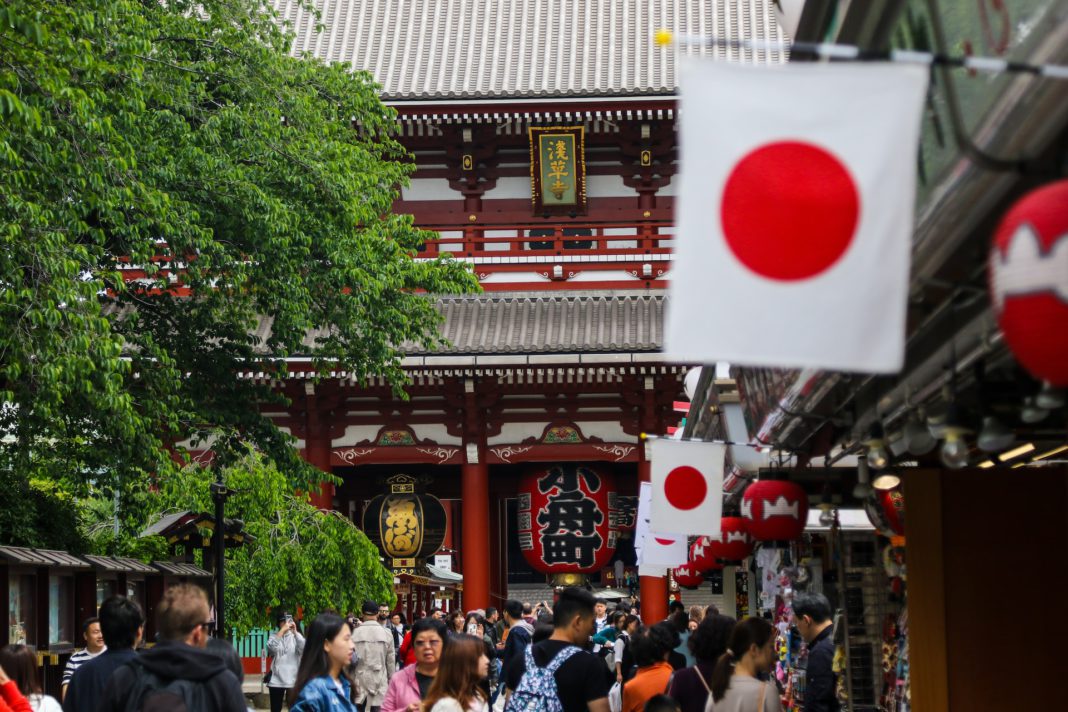
Japanese companies have offered the highest wage increases in 30 years in negotiations with employees this year. That’s according to a survey by Rengo, the country’s largest trade union group. Economists say the wage increases will help revive flagging consumer demand. Japan has struggled for years with very low inflation, and in some years with deflation, or falling prices.
The most in 30 years
A survey of 5,272 trade unions, which are represented by the Rengo Group, showed an average wage increase of 3.58 percent, or 10,560 yen (1,600 kronor) a month. This is the highest increase since 1993, when it was 3.9 percent. Small and medium-sized enterprises then increased wages by 3.23 percent, also the highest for the past 30 years.
Wage growth is one of the main trends that the Bank of Japan closely monitors when making monetary policy decisions. The country’s monetary policy is now extremely accommodative. The central bank’s governor, Kazuo Ueda, has repeatedly stressed that the current policy will need to be maintained until wages rise enough to keep inflation around the 2 percent target.
Chronic deficiency
“Rising prices and chronic labour shortages are driving up wages, which will continue to rise next year. From now on, it is important that real wages move into positive territory,” said economist and professor at Hosei University Hisashi Yamada. He said wage growth would help stabilise inflation at two per cent next year, which would put the central bank under pressure to lift its policy of influencing the yield curve sooner or later. The policy aims to keep short- and long-term interest rates at the lowest possible levels.
A wage increase could also support Japanese Prime Minister Fumio Kishida. He has made wages an important part of his policy agenda as the weak yen and rising import prices are increasing the cost of living for the population.
Wages in Japan have barely changed since the housing bubble burst in the 1990s. As a result, they now lag far behind the average of Organisation for Economic Co-operation and Development (OECD) member countries, Reuters reported.
source: ČTK