


In the world of investing, there is no shortage of strategies, forecasts and “guaranteed” tips. Yet for decades, Warren Buffett has been repeating something far less glamorous—and far more important. Wealth, in his view, is not created by a single brilliant decision, but by a consistent way of living and investing.
A closer look at his most famous financial principles shows that the key is not chasing the next winning stock, but building habits that work in your favor over time. In 2026, marked by technological hype, AI-driven enthusiasm, market volatility and pressure for fast returns, Buffett’s approach may seem almost conservative. That is precisely why it remains powerful.
Wealth Starts Earlier Than Most People Think
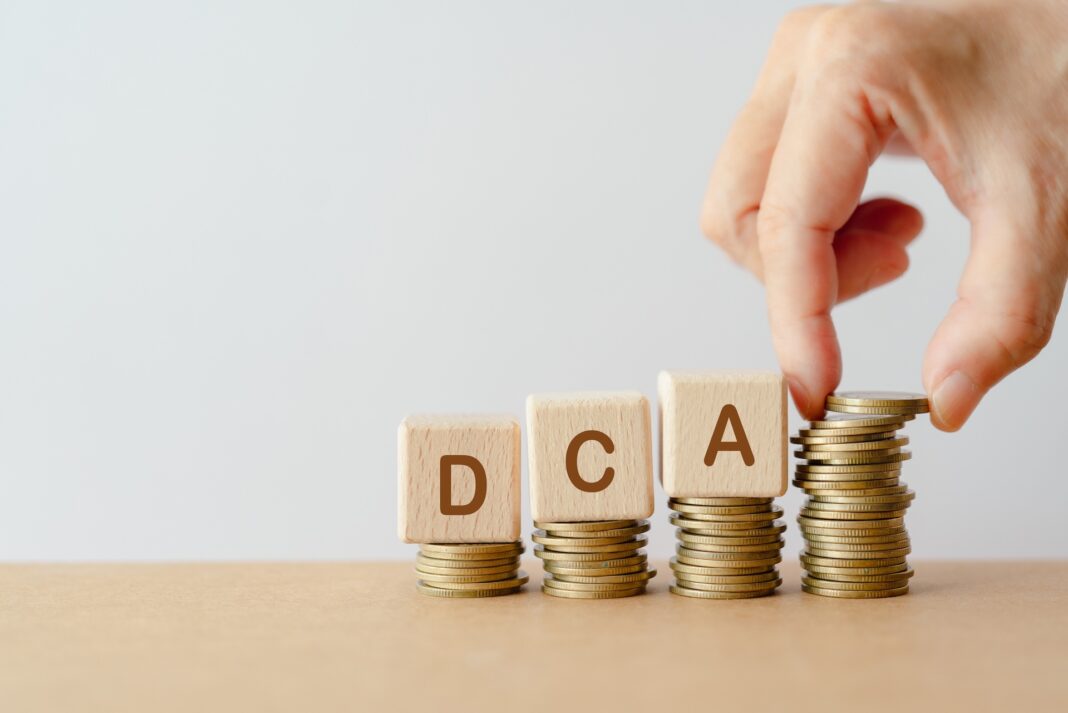
Buffett often highlights a simple truth: time is the most valuable investment asset. It’s not only about starting early, but about turning investing into a routine—something as normal as paying rent or saving for a holiday.
Consistency matters more than the size of the contribution. For many investors, the breakthrough moment comes when investing stops feeling like an extraordinary move and becomes a standard financial habit.
Read also: How Much to Invest Monthly to Become a Millionaire
Investing as a Filter, Not a Trend Hunt
One of Warren Buffett’s best-known principles is to invest only in businesses you truly understand. In practice, this means focusing less on headlines and more on the fundamentals behind a company.
In the era of AI booms, crypto cycles and thematic ETFs, this advice feels more relevant than ever. The ability to ignore market noise and concentrate on understandable opportunities becomes a competitive advantage—financially and psychologically.
The Biggest Threat to Wealth Isn’t a Bad Stock
Warren Buffett has long warned about high interest rates and expensive debt. When building wealth, this factor is often underestimated. Investors tend to focus on returns while ignoring the costs that steadily erode them.
Paying off high-interest debt can sometimes have a greater impact than finding a “better investment.” It may not be exciting, but it is often one of the most profitable financial decisions.
Read also: How Much to Invest Monthly to Become a Millionaire
The Ability to Wait Is a Strategy
Buffett is known for making relatively few investment moves. He holds cash, waits patiently and acts only when genuine opportunities appear. This mindset runs against today’s culture of constant activity.
For everyday investors, it is crucial to understand that inactivity is not weakness. A significant portion of portfolio performance comes from not reacting to every market swing.
Long-Term Thinking as a Lifestyle
Perhaps the least flashy piece of advice from Warren Buffett is also the most essential: stay invested and endure. Wealth is rarely built on a single correct choice, but on the ability to hold quality assets for a long time—often longer than feels comfortable.
In 2026, that means ignoring short-term noise, accepting volatility as normal and treating investing as a multi-year process rather than a quarterly competition.
Why Warren Buffett Still Matters in 2026
The principles of Warren Buffett have survived technological revolutions, financial crises and shifting market cycles. The reason is simple: they are based on behavior, not prediction.
Building wealth is not about choosing the perfect year—it’s about choosing the right approach. While 2026 may bring new trends and new sectors, the core rules are unlikely to change.